
August 1, 2026
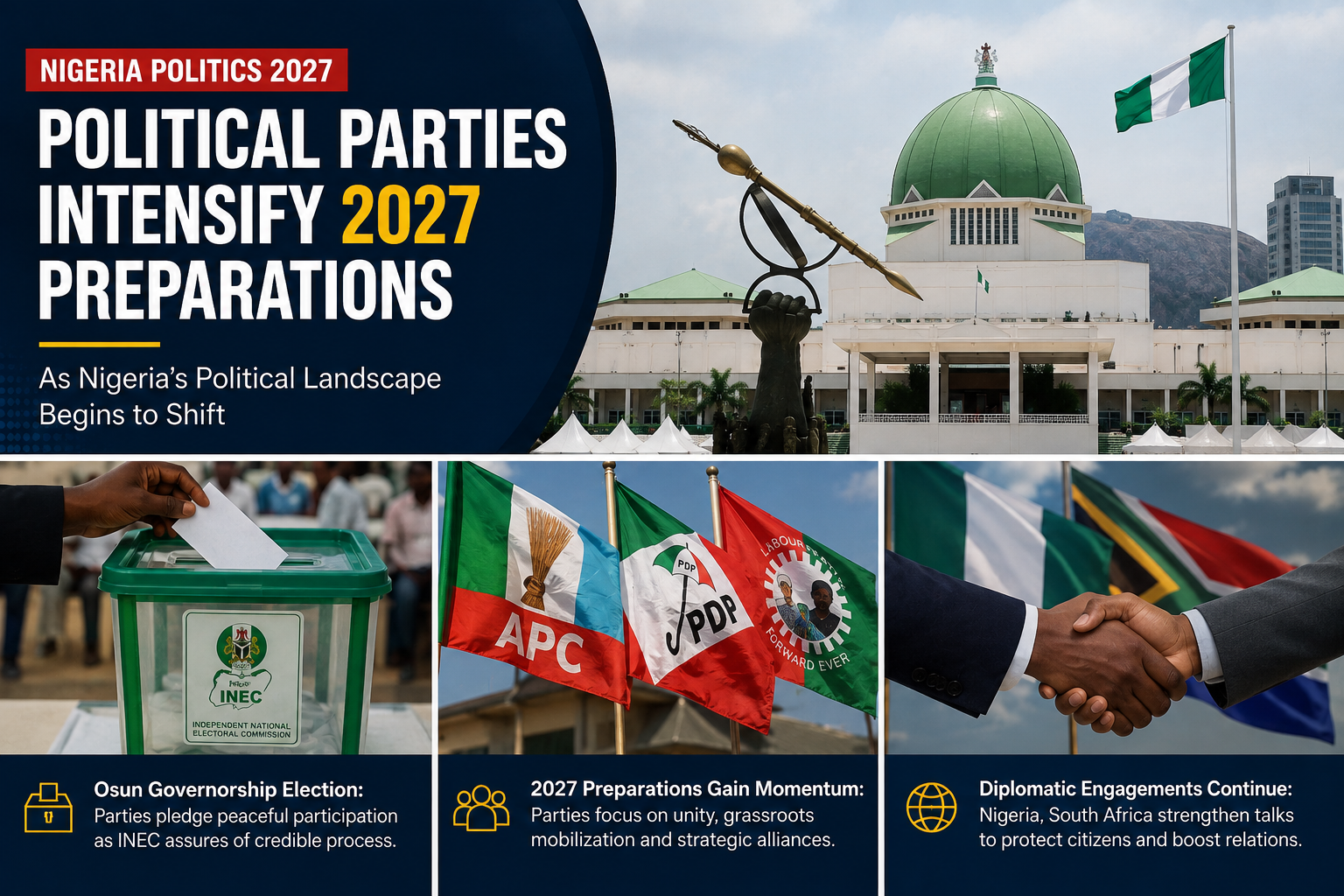
Although Nigeria’s next general election remains months away, political activities across the country indicate that preparations for 2027 have entered a more active phase. Across party lines, consultations, reconciliation efforts, strategic alliances, and grassroots mobilization are becoming increasingly visible as political stakeholders position themselves for what is expected to be another highly competitive electoral cycle.
One of the notable developments is the growing emphasis on internal unity within political parties. Party leaders are encouraging reconciliation among aggrieved members, recognizing that internal divisions often weaken electoral performance. Political observers believe that parties capable of resolving leadership disputes early will be better positioned to present a united front when nationwide campaigns begin.
Attention is also focused on off-cycle governorship elections, particularly in Osun State, where political parties have committed themselves to peaceful participation while electoral authorities continue preparations for a credible poll. Analysts suggest that the outcome could influence party momentum and shape national political narratives ahead of the 2027 elections.
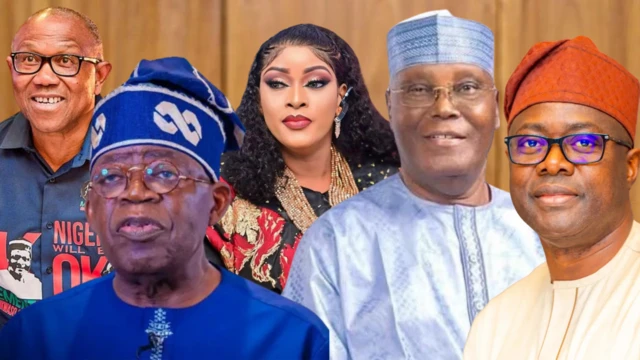
Beyond electoral strategy, governance remains central to public debate. Many Nigerians continue to evaluate government policies through the realities of rising living costs, business operating expenses, employment opportunities, infrastructure, and public service delivery. Political parties are therefore expected to compete not only with campaign promises but also with practical policy alternatives that address these everyday concerns.
For the business community, political stability remains a critical economic asset. Investors generally favour predictable policy environments, institutional stability, and peaceful democratic processes. As election activities gather pace, business leaders will closely monitor policy direction, regulatory consistency, and the broader investment climate before making long-term decisions.
Internationally, Nigeria’s diplomatic engagements also remain under scrutiny. Recent discussions with South Africa aimed at reducing tensions following xenophobic incidents demonstrate the importance of maintaining strong regional partnerships that support trade, investment, and the protection of citizens abroad.
MNG MULTI-BIZ Editorial Perspective
The period leading to every general election presents both opportunities and challenges.
Political competition should encourage better governance, stronger policy debates, and greater accountability. However, it should also preserve national unity, democratic institutions, and investor confidence.
As campaigns gradually intensify, Nigerians will increasingly assess political actors not only by their rhetoric but by the credibility of their ideas, their record of public service, and their ability to address the nation’s economic and social priorities.
For businesses, entrepreneurs, and investors, the months ahead will require careful observation of policy signals while maintaining confidence in long-term planning. Sustainable economic growth depends not only on electoral outcomes but also on consistent governance, institutional reforms, and a stable business environment.
MNG MULTI-BIZ News will continue to provide balanced analysis of political, economic, and business developments that matter to decision-makers across Nigeria and beyond.