

By | MNG MULTI-BIZ News
August 1, 2026
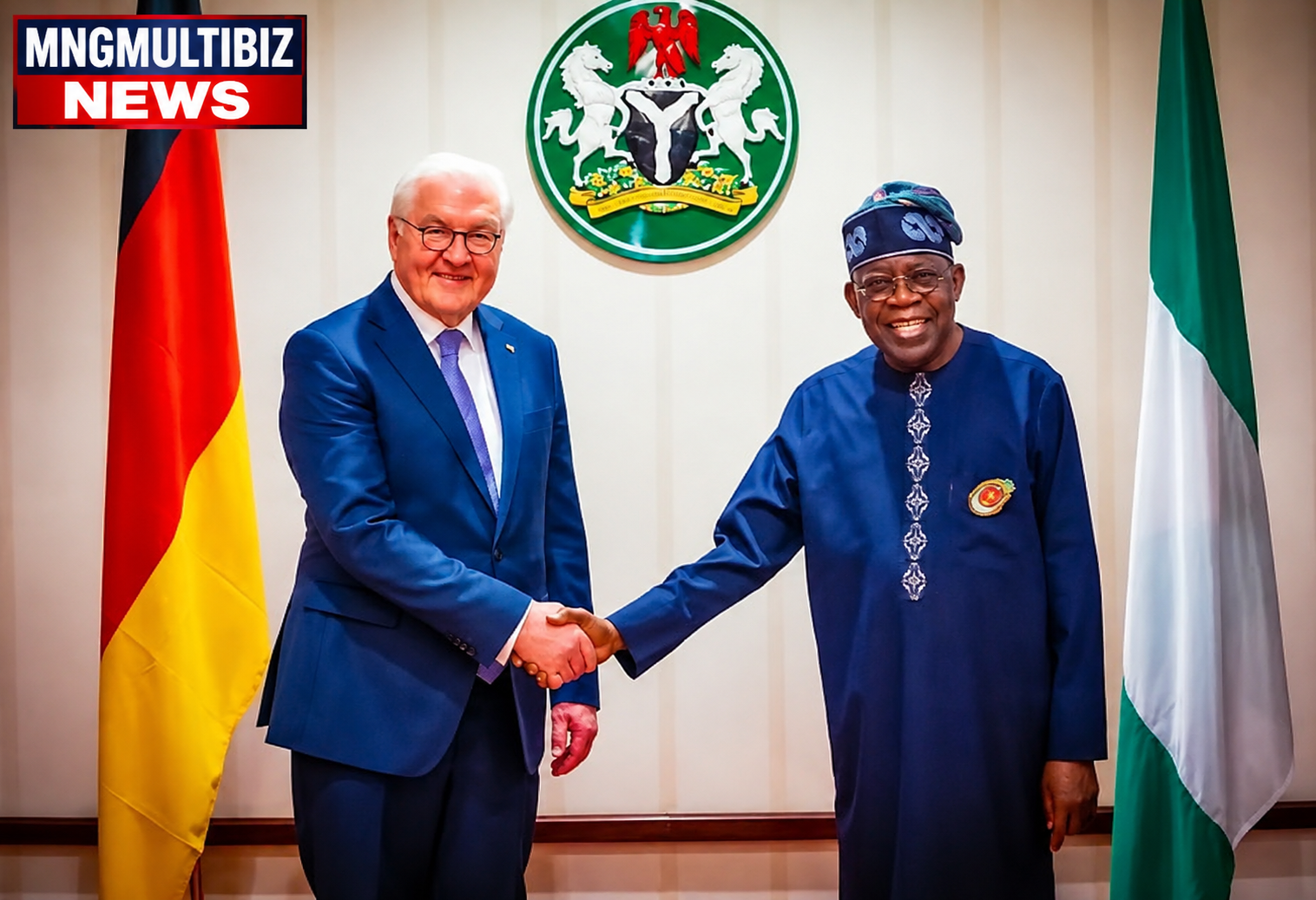
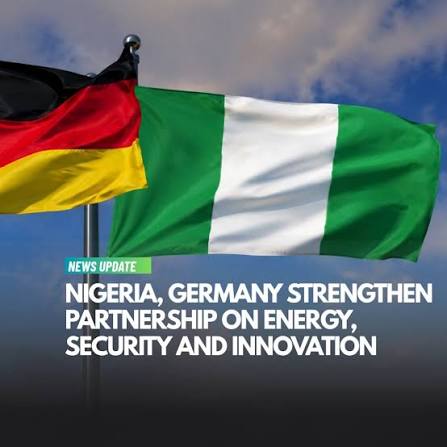
Nigeria and Germany have reaffirmed their commitment to strengthening bilateral cooperation in security, economic development, and trade, signaling a renewed effort to deepen relations between Africa’s largest economy and one of Europe’s leading industrial powers. The renewed engagement comes at a time when regional insecurity, investment attraction, and economic diversification remain high on Nigeria’s national agenda.
During high-level diplomatic discussions in Abuja, officials from both countries emphasized the importance of expanding cooperation beyond traditional diplomatic ties. The discussions focused on combating terrorism and transnational crime, increasing economic collaboration, promoting private-sector investment, and supporting long-term regional stability.
Germany acknowledged Nigeria’s strategic role in West Africa and reaffirmed its support for initiatives aimed at addressing the growing security challenges affecting the Sahel region. The German government also announced continued assistance for humanitarian and stabilization programmes designed to support communities displaced by violence and strengthen regional resilience.
Security and Economic Growth Are Closely Connected
Security has become one of the defining factors influencing investment decisions across Africa.
For businesses, stability creates confidence. Investors are more likely to commit capital where infrastructure, supply chains, and commercial activities can operate without persistent disruption. As insecurity continues to affect parts of West Africa, international partnerships aimed at improving security are increasingly viewed as essential to long-term economic development.
For Nigeria, enhanced security cooperation also strengthens confidence among multinational companies seeking to expand operations in energy, manufacturing, agriculture, technology, and logistics.
Expanding Trade Opportunities
Beyond security, economic cooperation featured prominently in the discussions.
Germany remains one of Nigeria’s most important European trading partners, with more than one hundred German companies operating across various sectors of the Nigerian economy. Bilateral trade has continued to grow, reflecting increasing commercial engagement between both countries.
Business analysts believe deeper collaboration could create additional opportunities in renewable energy, industrial manufacturing, vocational education, digital innovation, healthcare, infrastructure, and green technology.
For Nigerian businesses, stronger international partnerships can open new export markets, facilitate technology transfer, and encourage skills development that supports industrial growth.

What This Means for Nigerian Businesses
The renewed partnership highlights the importance of creating an investment environment built on policy consistency, regulatory certainty, and institutional stability.
As Nigeria continues implementing economic reforms, international cooperation will remain a key factor in attracting foreign direct investment, expanding trade, and supporting private-sector growth.
Small and medium-sized enterprises also stand to benefit from increased access to global value chains, technical partnerships, and business development initiatives that often accompany stronger bilateral relations.
MNG MULTI-BIZ Editorial Perspective
Diplomatic engagements should be measured not only by official meetings but by tangible outcomes.
For Nigeria, successful international partnerships should translate into increased investment, improved infrastructure, technology transfer, employment creation, stronger institutions, and expanded opportunities for local businesses.
As global competition for investment intensifies, countries that combine political stability, sound economic policies, and effective international partnerships will be better positioned to achieve sustainable growth.
The renewed Nigeria–Germany engagement presents an opportunity to transform diplomatic goodwill into measurable economic progress. The extent of that success will depend on consistent implementation, private-sector participation, and policies that encourage innovation and long-term competitiveness.