

By | MNG MULTI-BIZ News
August 1, 2026
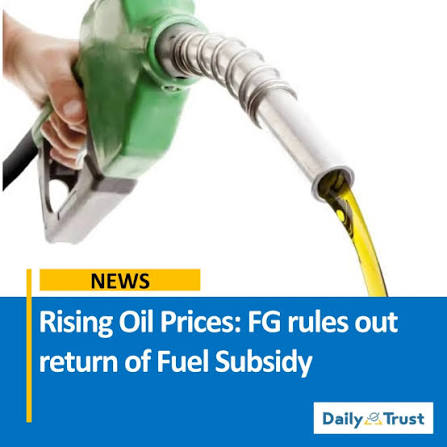
Nigeria’s economic reform programme has once again become the centre of national conversation following renewed government explanations on how resources generated from the removal of fuel subsidies have been utilized.
The discussion comes amid continued public concern over the rising cost of living, increasing transportation expenses, food inflation, and the overall economic impact of reforms introduced over the past three years. While many Nigerians acknowledge the need for long-term structural reforms, questions remain about whether the expected economic benefits are being felt by households and businesses.
According to government officials, a significant portion of the financial gains from fuel subsidy removal has been directed toward debt servicing obligations, increased allocations to state governments, infrastructure development, and other public expenditure commitments. Officials argue that these measures are necessary to stabilize public finances and create a stronger foundation for long-term economic growth.
Economic Reforms Under Public Scrutiny
The removal of fuel subsidies marked one of the most significant economic policy decisions in recent Nigerian history. The policy was intended to reduce the fiscal burden on government finances, improve transparency in the downstream petroleum sector, and redirect public resources toward productive investments.
However, the immediate consequences have been challenging for many citizens.
Higher fuel prices have increased transportation costs, production expenses, and the prices of goods and services across multiple sectors of the economy. Small businesses, manufacturers, transport operators, and households continue to adjust to the new economic realities.
These developments have intensified public calls for greater transparency regarding how reform savings are being managed and how quickly the benefits will translate into improved living conditions.
Businesses Continue to Adapt
Nigeria’s private sector has responded by seeking new strategies to manage rising operating costs.
Many businesses are investing in alternative energy sources, improving operational efficiency, embracing digital technologies, and restructuring supply chains to reduce expenses. Others are focusing on productivity improvements to remain competitive despite higher input costs.
Industry analysts believe that businesses capable of adapting quickly will be better positioned to withstand current economic pressures while taking advantage of future opportunities created by ongoing reforms.
Investors Watching Policy Consistency
Despite short-term economic difficulties, investors continue to monitor Nigeria’s commitment to maintaining consistent economic policies.
Stable fiscal management, exchange-rate reforms, infrastructure investment, and regulatory certainty remain important factors influencing investment decisions.
Economic experts generally agree that reforms often produce immediate costs before long-term benefits become visible. The speed at which those benefits materialize will depend largely on effective policy implementation, prudent public spending, and sustained economic growth.
What This Means for Nigerians
For ordinary Nigerians, the success of economic reforms will ultimately be measured not by government announcements but by everyday realities.
Improved purchasing power, lower inflation, increased employment opportunities, better infrastructure, affordable transportation, and expanded business opportunities remain the outcomes many citizens hope to see.
Until then, discussions surrounding subsidy removal and public expenditure are likely to remain at the forefront of national economic debate.
MNG MULTI-BIZ Editorial Perspective
Economic reforms are rarely judged solely by their intentions; they are judged by measurable outcomes.
Nigeria’s current reform agenda represents one of the country’s most ambitious fiscal adjustments in decades. While the long-term objectives include stronger public finances and sustainable economic growth, maintaining public confidence will require continued transparency, responsible fiscal management, and visible improvements in the quality of life for citizens.
For businesses and investors, this remains a period that demands resilience, innovation, and strategic planning. For policymakers, it is a reminder that successful reforms must be accompanied by effective communication, accountability, and policies that ensure economic growth translates into tangible benefits for the broader population.