


The project was behind schedule.
Management gathered for a meeting and made a decision that seemed financially wise at the time:
* Delay the installation of edge protection.
* Reduce the number of safety supervisors.
* Skip the daily toolbox talks.
* Allow workers to use old scaffolding “for just a few more weeks.”
* Postpone replacing worn-out lifting slings until the next procurement cycle.
Their conclusion was simple:
*”Safety can wait. We need to meet the deadline and protect our profit.”*
For several weeks, nothing happened.
The decision looked justified.
Then came one ordinary Tuesday morning.
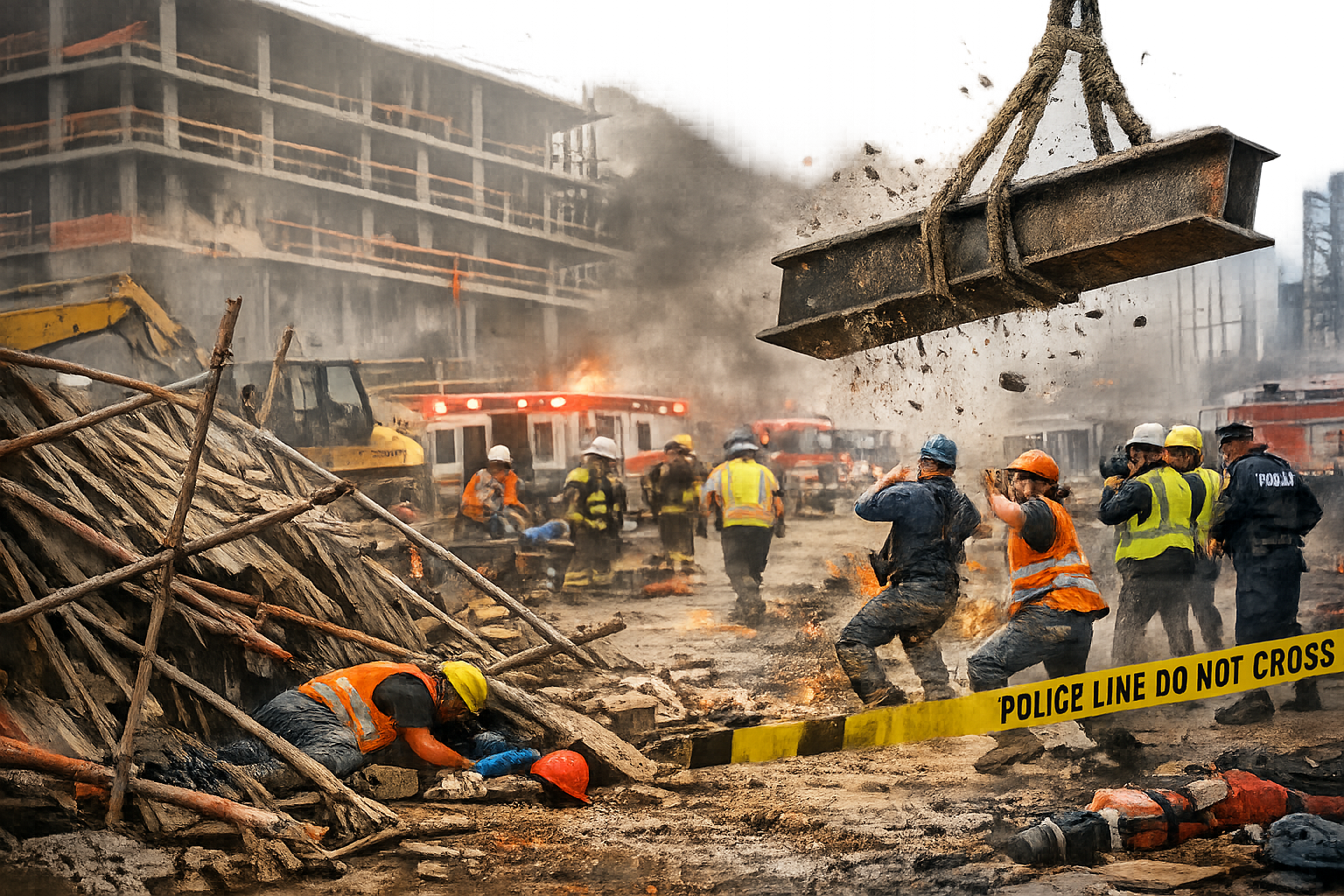
A suspended load slipped from a worn lifting sling while workers were operating beneath it. At the same time, a section of unstable scaffolding gave way. Within seconds, the site turned from a place of productivity into a scene of confusion, injuries, emergency response, and grief.
Construction stopped immediately.
Investigations followed.
Authorities sealed the site.
The contractor faced regulatory sanctions, legal claims, equipment damage, project delays, compensation costs, insurance implications, and the painful reality that lives had been permanently affected.
Ironically, the amount eventually spent on the aftermath was many times greater than what would have been required to implement proper safety controls from the beginning.
The most expensive decision was not investing in safety—it was choosing not to.
*Lessons for Every Construction Leader:*
• Safety is not a cost; it is protection for people, projects, and business continuity.
• Every hazard ignored today becomes tomorrow’s potential incident.
• Deadlines may impress clients, but safe delivery builds lasting reputation and trust.
• Leadership is measured not only by projects completed but by every worker who returns home safely.
In construction, concrete can be recast, steel can be replaced, and schedules can be revised.
A lost life, a permanent injury, or a damaged reputation cannot.
*Remember:*
“If you think safety is expensive, wait until you experience the true cost of an incident.”
Build safely. Lead responsibly. Protect lives before profits.
